
Single-Machine Clearing Without Burn Piles
Forestry Mulching in Bedias for underbrush removal and land restoration without hauling or burning debris
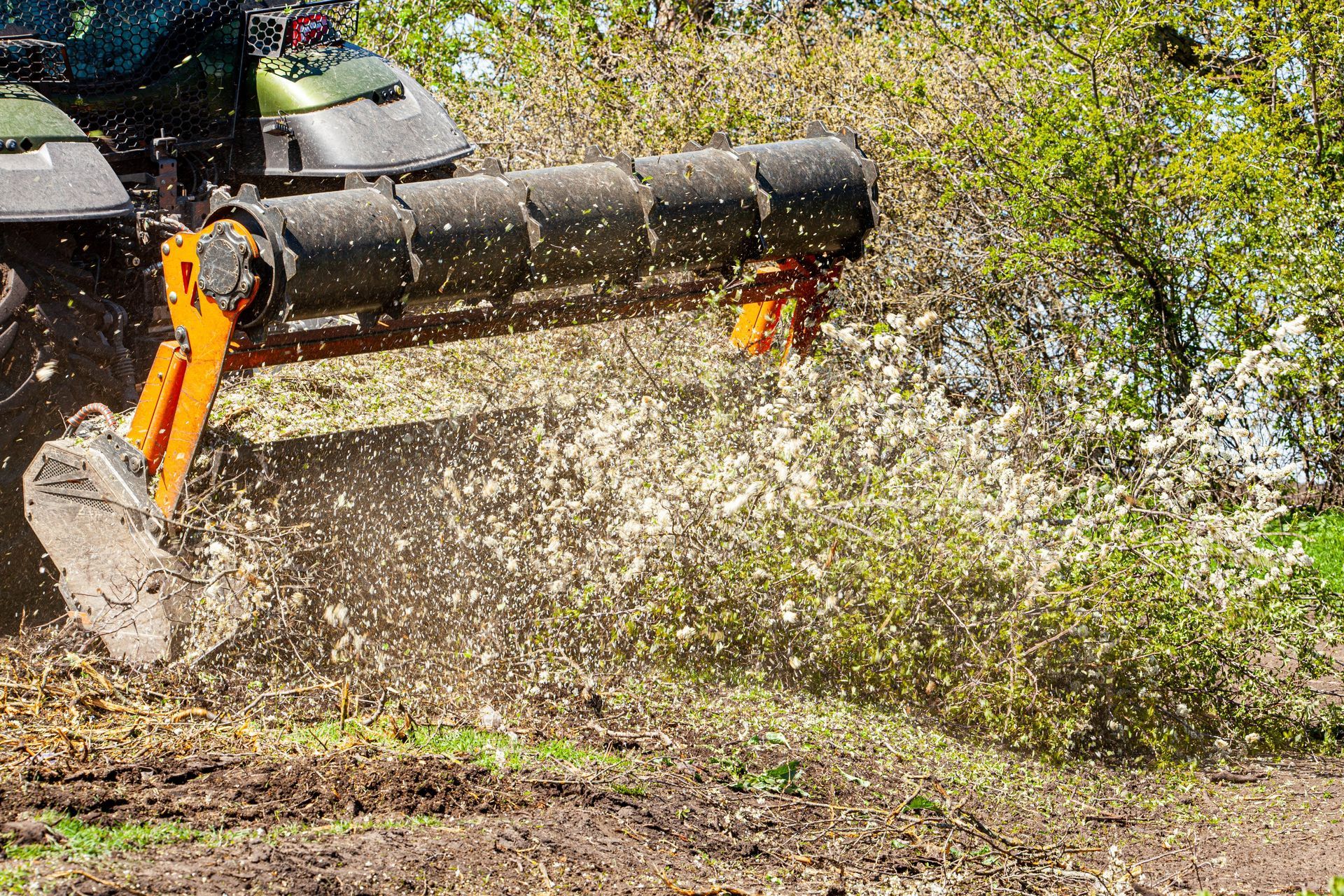
Thick underbrush, invasive saplings, and briar thickets disappear into a clean layer of mulch that stays on the ground and stabilizes the soil. Diamond M Services of TX provides forestry mulching across Bedias using specialized equipment that cuts, chops, and grinds vegetation in a single pass, eliminating the need for burn piles or debris hauling. Landowners clearing invasive cedar, preparing recreational trails, or beautifying residential properties see immediate results without the ground disturbance or exposed soil that traditional clearing methods leave behind.
Forestry mulching grinds vegetation where it stands rather than cutting and stacking material into piles that must be burned or hauled away. The mulching head processes everything from small briars to saplings up to several inches in diameter, leaving behind a uniform layer of shredded material that acts as ground cover. This approach protects root systems of mature trees you want to keep, prevents erosion on sloped terrain, and returns organic matter directly into the soil as the mulch decomposes over time.
Arrange an on-site consultation to review the density of vegetation and determine the best mulching approach for your property goals.
What You Notice Once Mulching Is Finished
The work involves driving the mulching machine through target areas in overlapping passes, feeding underbrush and small trees into the cutting drum while leaving desirable hardwoods and larger timber untouched. The mulch layer left behind ranges from two to four inches deep depending on vegetation density, creating a natural blanket that holds moisture and prevents weed seeds from germinating. In the Brazos Valley, where summer heat and sporadic rainfall create erosion risk on cleared land, the mulch layer stabilizes soil and reduces runoff.
After mulching, you'll walk across ground that's clear of tangled brush but covered in an even layer of shredded material instead of bare dirt. Sight lines open up across your property, trails become accessible for walking or ATV use, and invasive species like yaupon holly or cedar no longer dominate the understory. The mulch layer prevents erosion on slopes and gradually breaks down to improve soil structure and nutrient content, which benefits pasture grasses or native plants you plan to establish.
The process leaves mature tree root systems intact because the equipment doesn't dig or scrape the ground the way bulldozers or root rakes do. Properties that undergo mulching retain their established tree canopy while gaining usable space underneath, and the lack of exposed soil means less dust, fewer invasive weeds, and better moisture retention during dry periods.
What Property Owners Usually Ask
Questions about forestry mulching typically focus on what the equipment can handle, how the mulch layer behaves over time, and whether the process damages trees or disrupts drainage patterns.
What size vegetation can the mulching equipment process?
The mulching head handles underbrush, briars, and saplings up to six inches in diameter, grinding everything into uniform chips that stay on the ground, but larger trees require cutting and removal using separate equipment before mulching begins.
How does the mulch layer prevent erosion better than bare ground?
The shredded material creates a protective blanket that absorbs rainfall impact, slows water movement across slopes, and holds soil in place during heavy rain events common in Bedias, while bare ground exposed by traditional clearing erodes quickly and loses topsoil.
Why is forestry mulching better for soil health than burning or hauling?
Mulching returns organic matter directly into the soil as it decomposes, adding nutrients and improving soil structure, while burning destroys organic material entirely and hauling removes it from the site so nothing is returned to benefit future plant growth.
When should I mulch invasive cedar or yaupon holly on my property?
Mulching works best before invasive species produce seeds or spread further into pastures and wooded areas, and completing the work during drier months prevents equipment from rutting soft ground while allowing you to see exactly what's being cleared.
What happens to the mulch layer after several months?
The mulch gradually breaks down through decomposition, flattening and integrating into the topsoil while continuing to suppress weed growth and retain moisture, and after a year most of the material has decomposed enough that you can seed pasture grasses or plant native species without additional soil preparation.
Diamond M Services of TX brings fully licensed and insured equipment to every property in the Brazos Valley. Contact us to discuss your underbrush removal or trail clearing project and receive a detailed estimate based on acreage and vegetation type.